Software Development
MVP Development
MVP development means building the smallest version of your product that proves your core hypothesis with real users, and cutting everything else without apology. Quinoid works with founders across India and globally who need to validate a new product idea before committing to a full build, and we treat scope discipline as the single most important factor in shipping fast. We've seen too many "MVPs" balloon into six-month builds because nobody said no to a feature request — our process starts by identifying the one or two assumptions your idea actually depends on, then building only what's needed to test them with real users. That might mean a working prototype with manual backend processes standing in for automation you don't need yet, or a single-platform app instead of iOS, Android, and web simultaneously. We typically ship a usable MVP in 6-10 weeks, built on a stack that won't need a full rewrite if the idea validates — because throwing away the MVP entirely after it proves the concept is almost always a mistake founders regret on time and budget alike.
What We Deliver
Hypothesis & Scope Definition
Before any design or code, we work with you to identify the specific assumptions your product idea depends on, then scope the MVP to test exactly those — nothing more. This single step prevents the scope creep that turns a 6-week MVP into a 6-month build.
Rapid Prototype & Build
We build with a stack that balances build speed against future scalability, so validated ideas can extend the MVP rather than requiring a rewrite. Manual processes often substitute for automation in version one, deliberately, where automating early wouldn't change the validation outcome.
User Testing & Feedback Instrumentation
We wire up analytics and feedback capture from day one of launch, since an MVP without measurement just becomes an opinion contest. This includes basic funnel tracking and lightweight in-app feedback prompts targeted at your core hypothesis.
Post-Validation Scale-Up Planning
Once user data validates (or invalidates) the hypothesis, we help plan what changes for version two — which parts of the MVP architecture hold up at scale and which need rebuilding now that real usage patterns are known.
Delivery Process
Hypothesis workshop with founders
We identify the one or two core assumptions the product idea rests on, since everything else in scope gets cut or deferred based on this list.
Lean scope definition and stack selection
We define the minimum feature set that tests the hypothesis and pick a stack fast enough to ship in weeks but not so disposable it can't extend post-validation.
Build sprints with weekly demos
We ship in tight sprints with founder demos every week, since MVP timelines compress fast and silent multi-week gaps are the most common way scope quietly expands.
Soft launch with analytics instrumentation
We launch to a limited user group first with tracking already in place, so early signal comes from real behavior, not guesses about what users will do.
Validation review and next-step roadmap
We review actual usage data with you and map out what the next build phase looks like, whether that's scaling the MVP or pivoting based on what was learned.
Business Outcomes
A focused first release without unnecessary build cost
Faster market validation with real users
A technical base that can evolve after traction
Why Quinoid
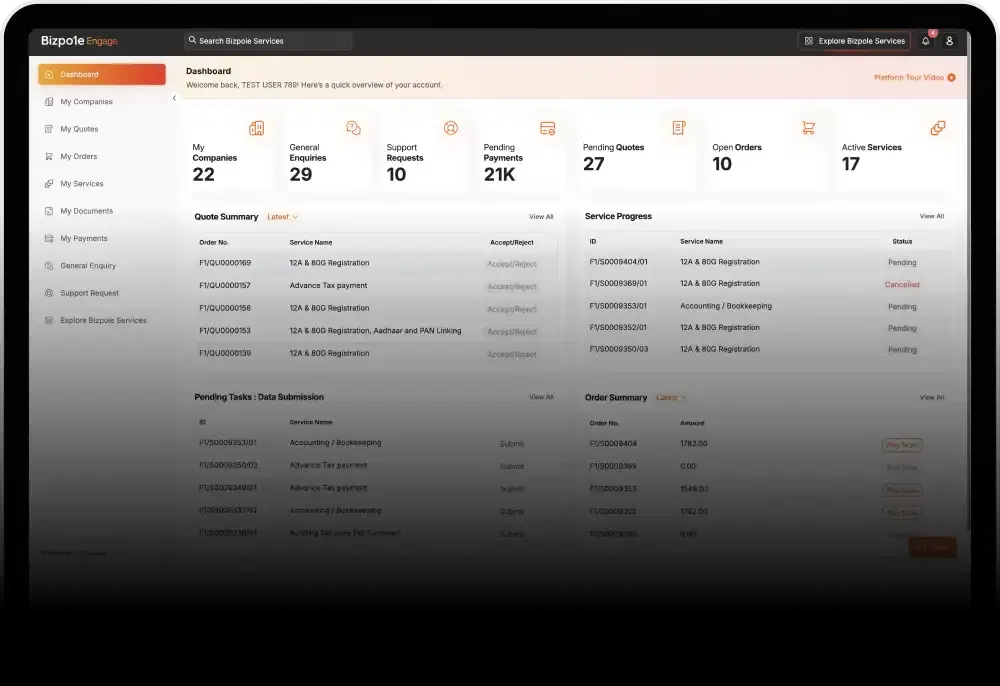
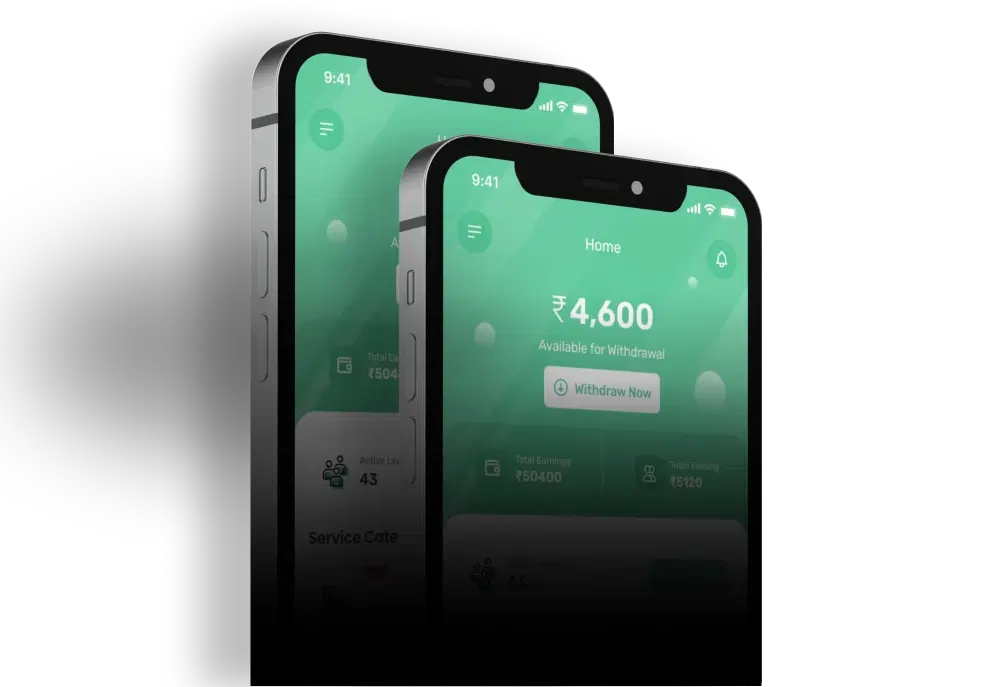
Quinoid's MVP teams have shipped products in finance and B2B marketplace categories on compressed timelines, so we know which corners are safe to cut for speed and which ones come back to bite founders after their first batch of real users.
- We say no to feature requests that don't test your core hypothesis, even when it's tempting to add them.
- Our default stack choices support extending the MVP post-validation instead of forcing a rewrite from scratch.
- Weekly demos keep founders in the loop and scope creep visible before it derails the timeline.
Proof in Production
Frequently Asked Questions
How long does it take to build an MVP?
Most MVPs we build ship in 6-10 weeks, depending on how many integrations or platforms are involved. The biggest variable is scope discipline — the tighter the hypothesis, the faster we can ship.
Will we have to rebuild everything after the MVP validates?
Not entirely. We pick a stack and architecture during the MVP phase specifically so validated features can extend rather than requiring a full rewrite, though some refactoring for scale is normal and expected.
What if we want to test multiple ideas at once?
We recommend testing one core hypothesis per MVP. Bundling multiple unproven ideas into a single build makes it hard to tell which assumption the user data is actually validating or rejecting.
Do you help decide what to build versus what to cut?
Yes — the hypothesis workshop at the start of every engagement is specifically designed to separate what's essential to test your idea from what's a nice-to-have you can defer until after validation.